World Theatre Day, celebrated annually on March 27th, is more than just a date on the calendar; it is a global recognition of the transformative power of performance. Established in 1961 by the International Theatre Institute (ITI), this day serves as a reminder that theatre is a universal language capable of crossing borders, challenging status quos, and fostering a culture of peace. For over six decades, the international community has used this occasion to honor the playwrights, directors, actors, and technicians who bring stories to life, ensuring that the ancient art of storytelling remains a vital part of modern society.
In the Kurdistan Region, and specifically in Slemani—often hailed as the “Capital of Culture”—World Theatre Day carries a profound weight. Throughout Kurdish history, the stage has been far more than a place for entertainment; it has been a sanctuary for language, a platform for political resistance, and a mirror for the social struggles of the people.
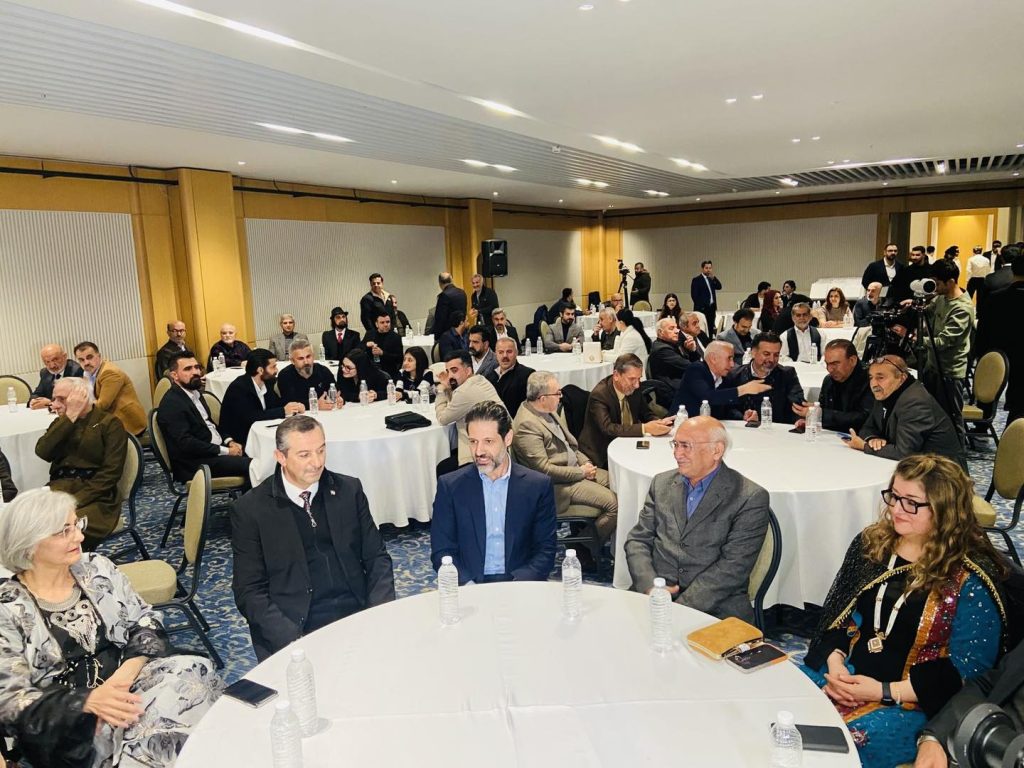
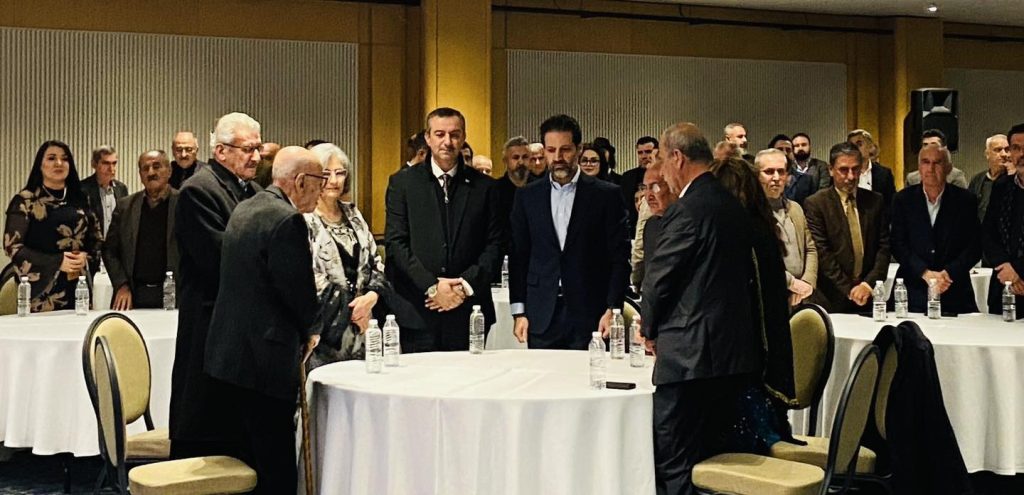
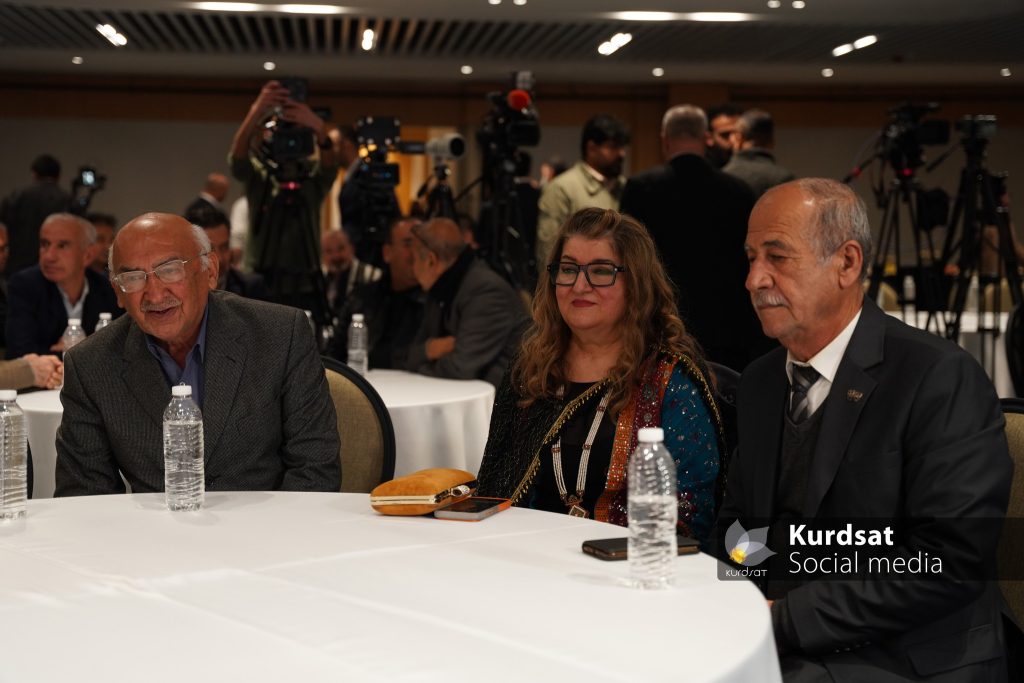
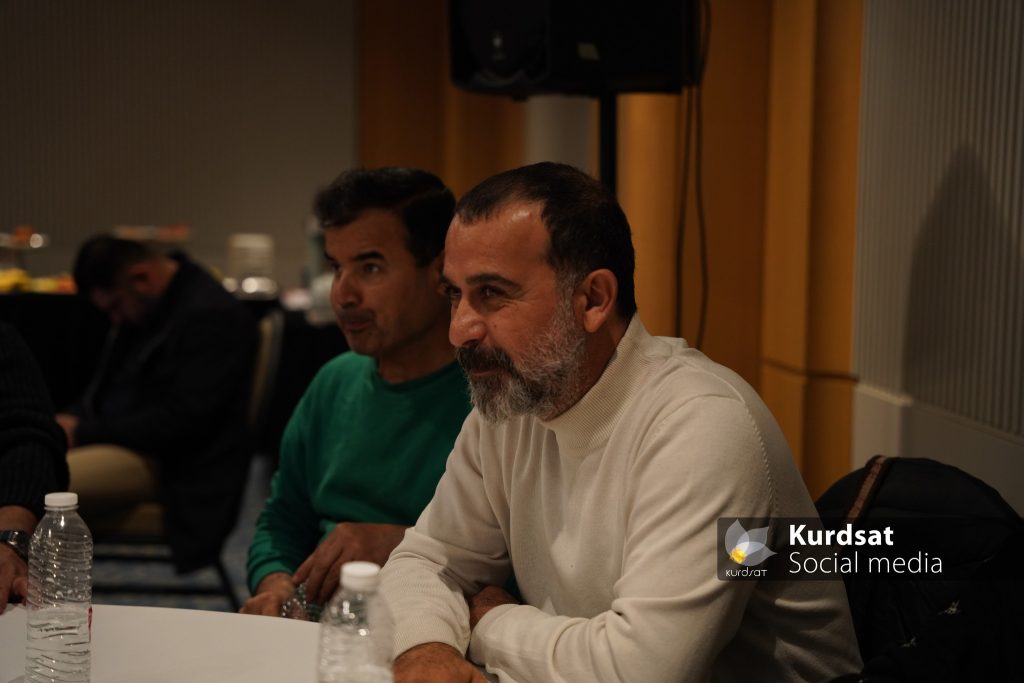
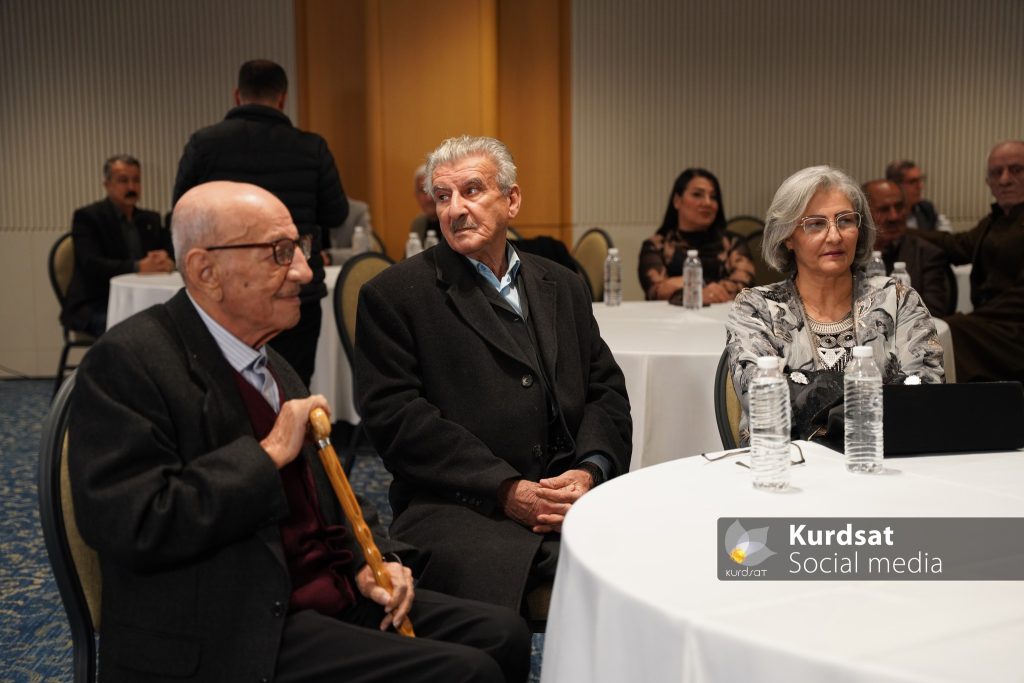
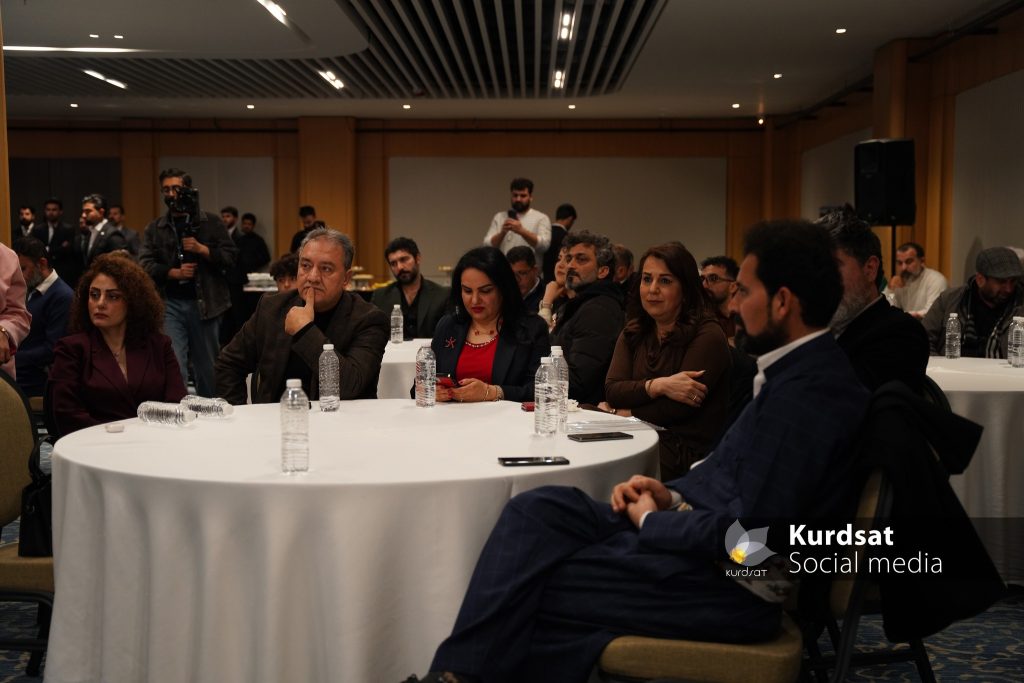
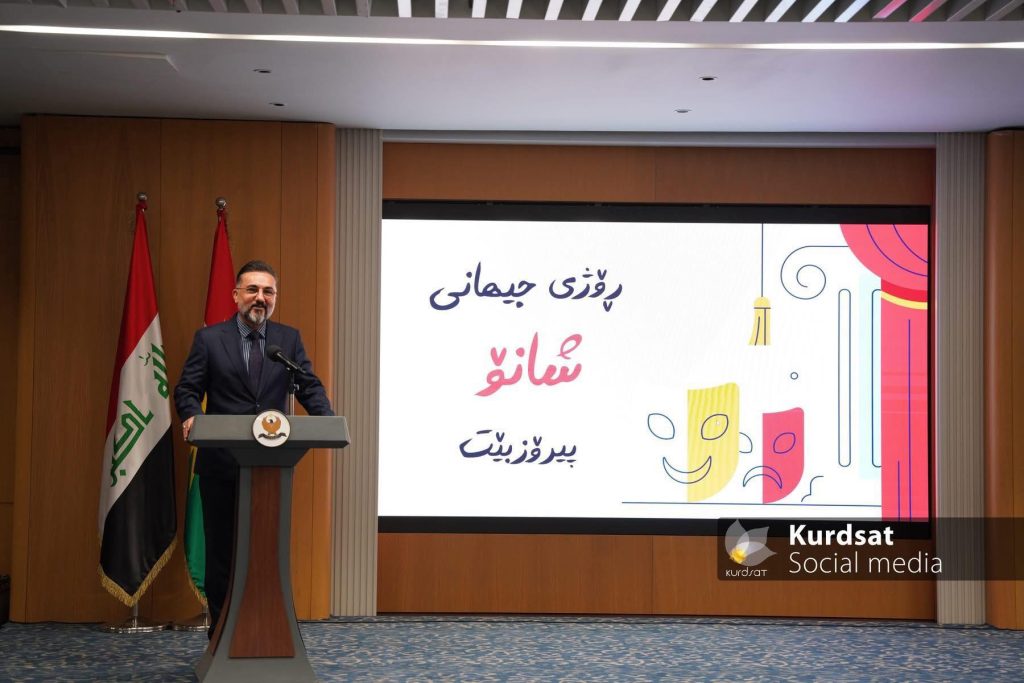
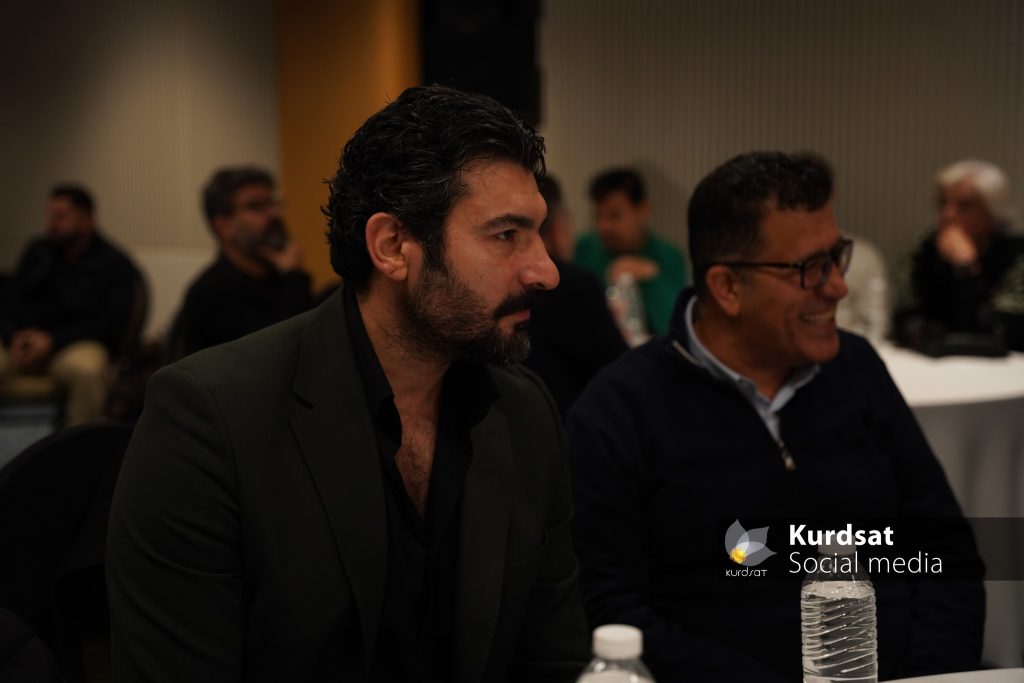
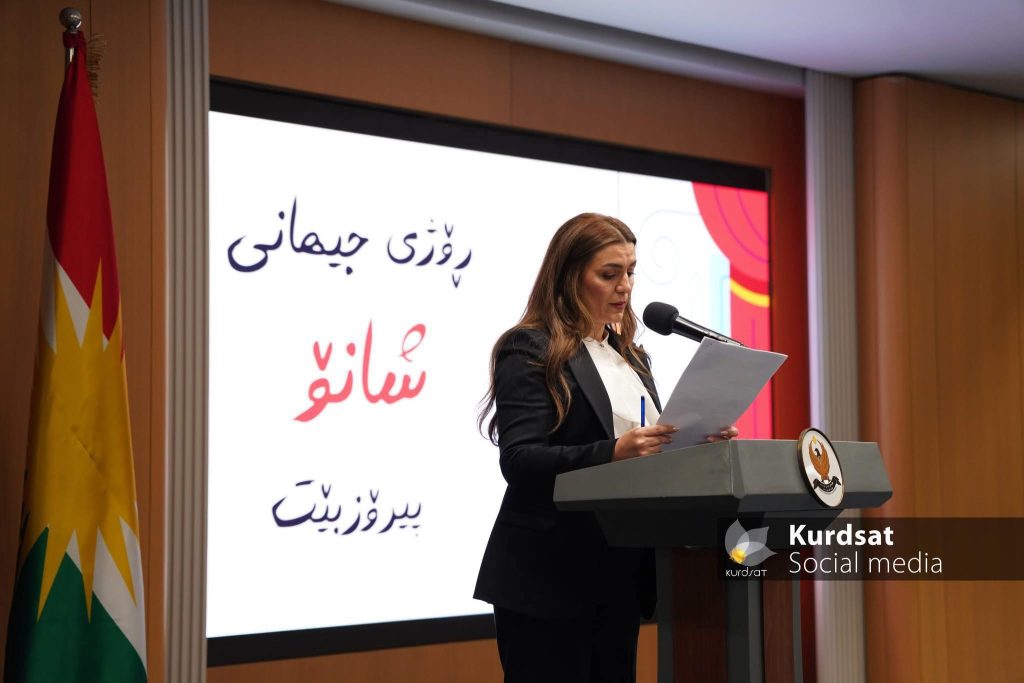
Echoing these values and honoring this long-standing artistic legacy, a prestigious ceremony was held in Slemani to mark the occasion. The event took place under the supervision and in the presence of Mr. Qubad Talabani, Deputy Prime Minister of the Kurdistan Regional Government, and Dr. Haval Abubaker, the Governor of Slemani. Organized through a joint effort by the General Directorate of Culture and Arts in Slemani and the Kurdistan Artists Union, the gathering served as a vibrant meeting point for a large number of artists and dedicated theatre practitioners. By bringing together government leadership and the creative community, the ceremony reaffirmed Slemani’s commitment to the performing arts, proving that even in a changing world, the theatre remains a vital heartbeat of Kurdish culture and identity.